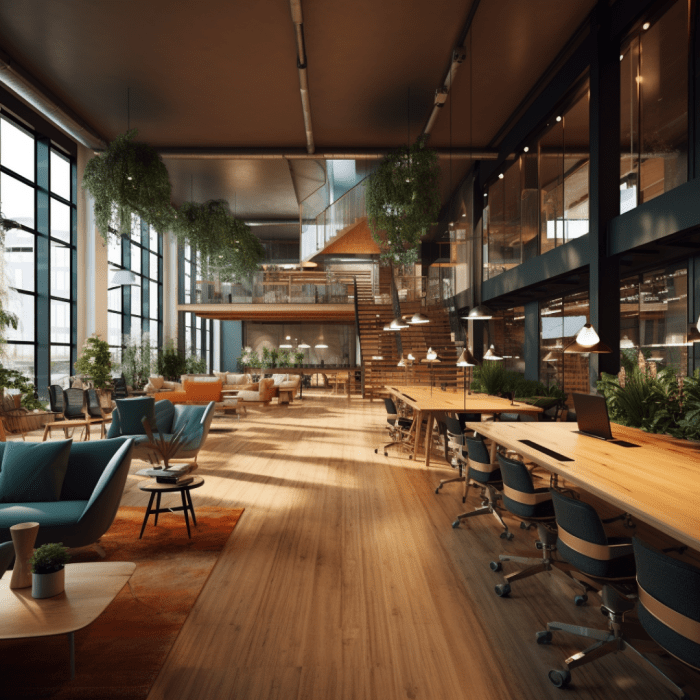
Coworking CRE membership models have transformed the landscape of commercial real estate, offering innovative solutions for a variety of clients. As the demand for flexible workspaces continues to rise, understanding the different membership options available becomes essential for businesses and freelancers alike.
This overview will guide you through the evolution of coworking spaces, the various membership models that cater to diverse needs, and the flexibility that allows companies to adapt their workspace requirements in an ever-changing market.
Introduction to Coworking CRE Membership Models
Coworking spaces have revolutionized the way professionals and businesses operate, emerging as a flexible alternative to traditional office environments. Initially designed to accommodate freelancers and startups, coworking spaces have evolved significantly within the commercial real estate (CRE) sector, catering to a diverse range of clients, from small businesses to large corporations. This evolution has led to the development of various membership models that offer different levels of access and flexibility, making it essential for users to understand their options.Understanding the right membership model is crucial, as these plans can significantly affect a company’s operational efficiency and cost management.
The importance of flexibility in membership options cannot be overstated; it allows businesses to adapt to changing needs, whether that means scaling up during busy periods or reducing space during slower times. In this dynamic environment, the appropriate membership model can help maximize productivity and foster collaboration.
Types of Coworking Membership Models
Coworking spaces typically offer a range of membership models to cater to diverse client needs. The most common types include:
- Hot Desks: Shared workspaces that users can access on a first-come, first-served basis. This model is cost-effective but may lack privacy.
- Dedicated Desks: Assigned workspaces for individuals, providing more stability and personal space compared to hot desks.
- Private Offices: Enclosed spaces for teams or businesses, offering maximum privacy and customization options.
Each model comes with its own set of advantages and disadvantages, impacting both cost and utility. For instance, hot desks may save money but could compromise comfort and focus, while private offices provide exclusivity but at a higher price point.
| Membership Model | Features | Pricing Structure |
|---|---|---|
| Hot Desks | Shared space, flexible access | Typically lower monthly fees |
| Dedicated Desks | Assigned space, more privacy | Mid-range pricing |
| Private Offices | Enclosed space, customizable | Higher monthly fees |
Market Trends in Commercial Real Estate and Coworking
The commercial real estate market is currently witnessing significant trends that influence the growth and development of coworking spaces. A notable trend is the shift towards flexible office solutions, driven by changing work habits and economic conditions. Remote work and hybrid models have become more commonplace, prompting businesses to reconsider their real estate strategies and embrace coworking environments as a viable alternative.Coworking spaces are adapting to these market demands by offering more flexible lease terms and increasing the range of services provided.
This adaptability not only meets the needs of modern businesses but also plays a critical role in urban development, as coworking spaces integrate into mixed-use developments, fostering a sense of community and collaboration.
Real Estate Investment in Coworking Spaces
Investing in coworking spaces presents a promising opportunity within the real estate sector. The potential for high returns exists, particularly in urban areas where demand for flexible office spaces is surging. Successful coworking investments have been documented, showcasing significant financial returns driven by high occupancy rates and diverse revenue streams.However, there are inherent risks associated with investing in coworking models.
Market fluctuations, changing consumer preferences, and competition from traditional office spaces can impact profitability. It is crucial for investors to conduct thorough market research and assessment to mitigate these risks effectively.
Integration of Smart Technology in Coworking Spaces
Smart technology has begun to shape the design and functionality of coworking environments, enhancing user experience and operational efficiency. This technology includes automated lighting and climate control systems, high-speed internet connectivity, and advanced security measures that cater to the needs of modern professionals.Innovative examples of technology integration can be observed in coworking spaces that offer mobile apps for space booking, virtual meeting tools, and community management platforms, which streamline operations and foster collaboration among members.
Essential smart technologies that can be utilized in coworking spaces include:
- IoT-enabled devices for energy management
- Smart access control systems
- Virtual reality meeting rooms
- Cloud-based project management tools
Luxury Coworking Spaces and Trends
Luxury coworking spaces are characterized by their high-end design, top-notch amenities, and personalized services that cater to affluent clients. These spaces often include features such as gourmet coffee bars, wellness rooms, and high-quality furnishings, creating an upscale atmosphere that appeals to professionals seeking more than just a desk.The influence of luxury real estate trends has prompted coworking spaces to elevate their design and offerings, blurring the lines between work and leisure.
A comparison of standard coworking spaces versus luxury environments highlights this disparity in terms of ambiance, amenities, and overall user experience, as luxury spaces prioritize comfort and exclusivity.
Future Outlook for Coworking Membership Models
The landscape of coworking membership models is likely to evolve significantly over the next 5 to 10 years. Factors such as technological advancements, shifts in workforce dynamics, and economic changes will shape the future offerings in this space. Anticipated trends and innovative ideas for future coworking spaces include:
- Increased focus on sustainability and eco-friendly designs
- More personalized membership options tailored to individual client needs
- Integration of augmented reality and virtual reality for enhanced collaboration
- Emphasis on mental health and wellness features within coworking environments
As coworking continues to grow and adapt, staying informed about these trends will be essential for businesses looking to maximize their workspace strategy.
Final Conclusion
As coworking spaces continue to evolve, the membership models will likely expand and adapt to meet the needs of their users. By exploring the trends and investment potential within this sector, we gain valuable insights into how these models can shape the future of work. Embracing flexibility and innovation will be key in navigating the dynamic world of coworking.
Top FAQs
What is a hot desk membership?
A hot desk membership allows users to access any available desk in a shared workspace on a first-come, first-served basis, which is great for those who do not need a dedicated workspace.
How do dedicated desks work?
Dedicated desks provide users with a specific desk that they can use exclusively, offering a more personalized workspace while still being part of the coworking community.
Are private offices available for short-term use?
Many coworking spaces offer private offices that can be rented on a short-term basis, catering to businesses that need space temporarily or for project-based work.
What are the costs associated with coworking memberships?
Costs vary depending on the type of membership and location; hot desks are generally the most affordable, while private offices tend to be more expensive.
Can companies customize their coworking space?
Yes, many coworking spaces offer customization options, allowing companies to brand their areas or modify the layout to suit their needs.


